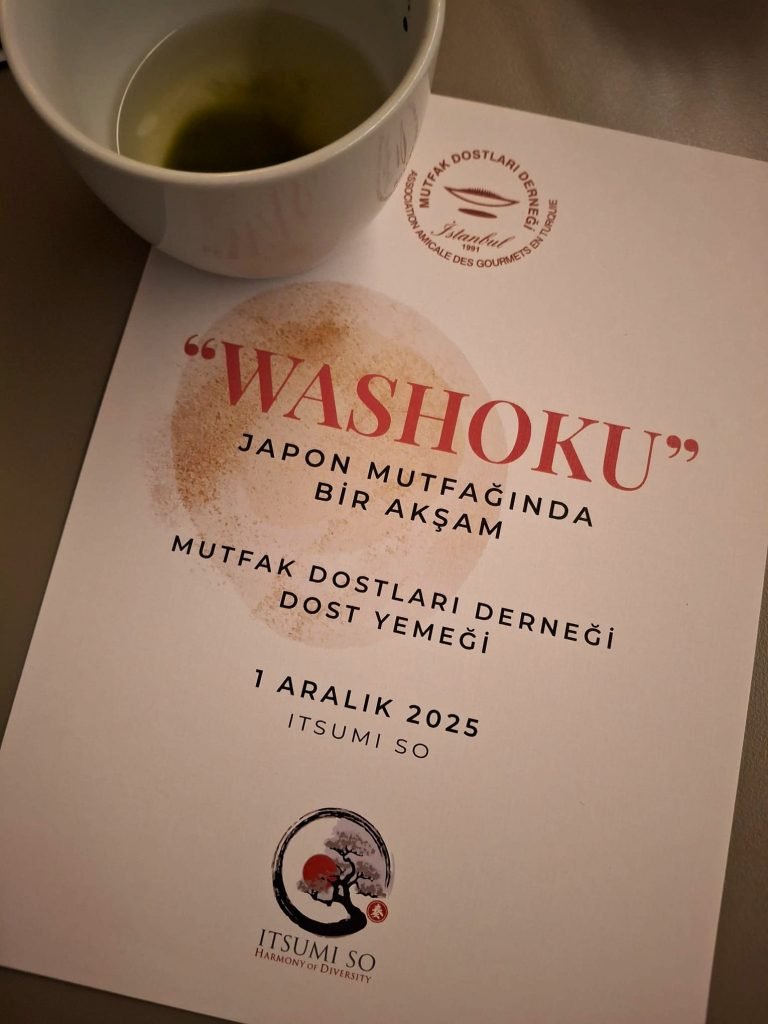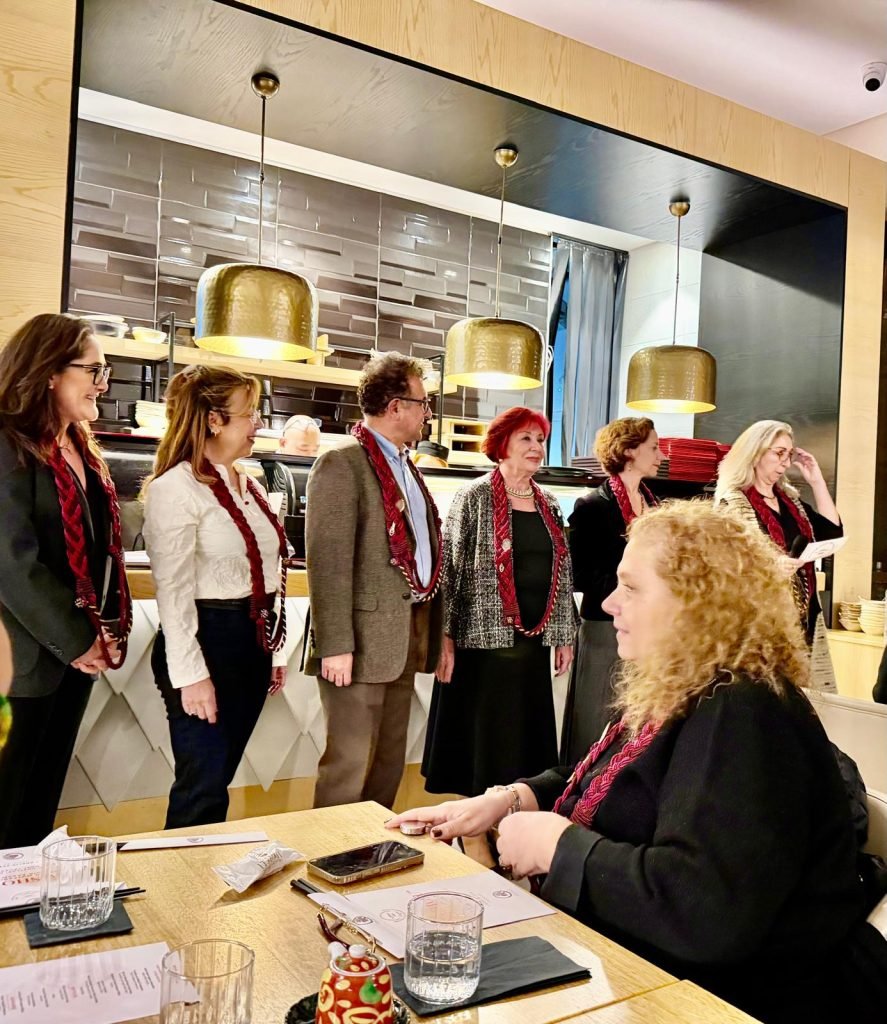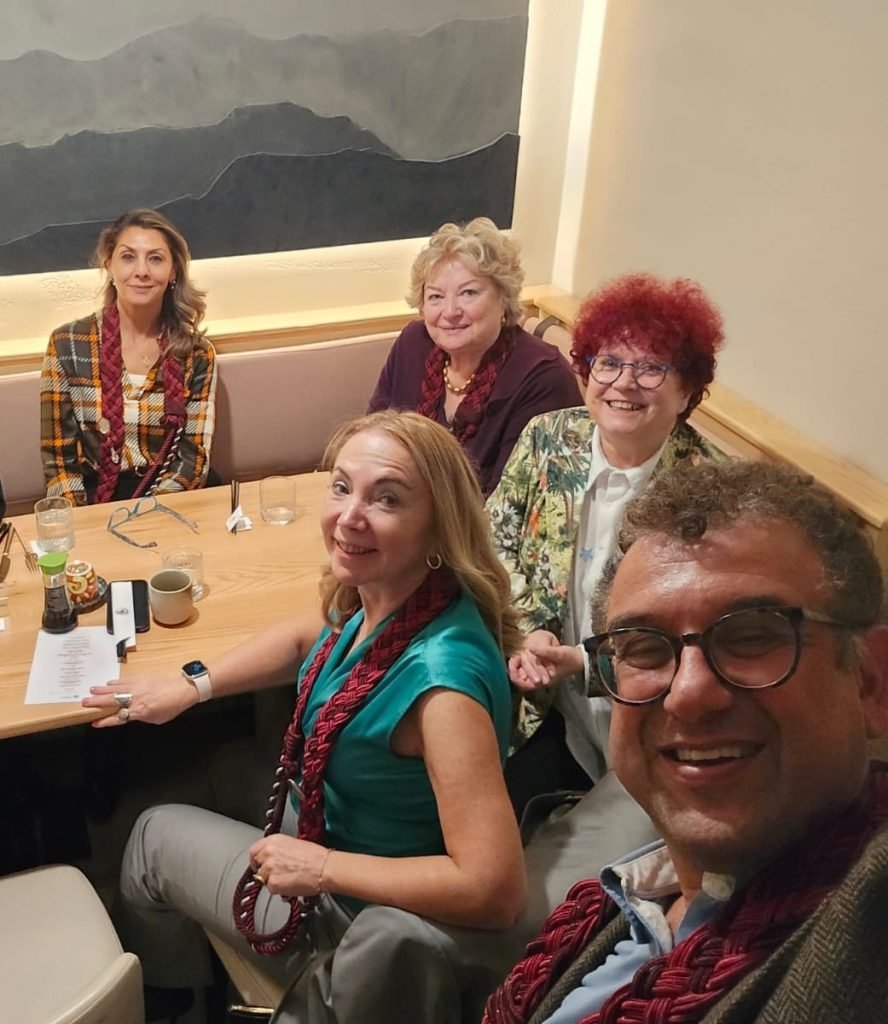
Kitchen Friends held their final dinner of 2025 over two evenings, on December 1 and 3,
at the Japanese restaurant Itsumi So. Japanese cuisine, which was added to the UNESCO List of Intangible
Cultural Heritage in 2013, is known as “Washoku,” a term derived from the combination of “wa,” meaning “Japan,” and “shoku,”
meaning “cuisine.”
The Friends of the Kitchen also celebrated at Itsumi’s new restaurant in Etiler, which has long represented Japanese cuisine in Istanbul with its most fundamental characteristics
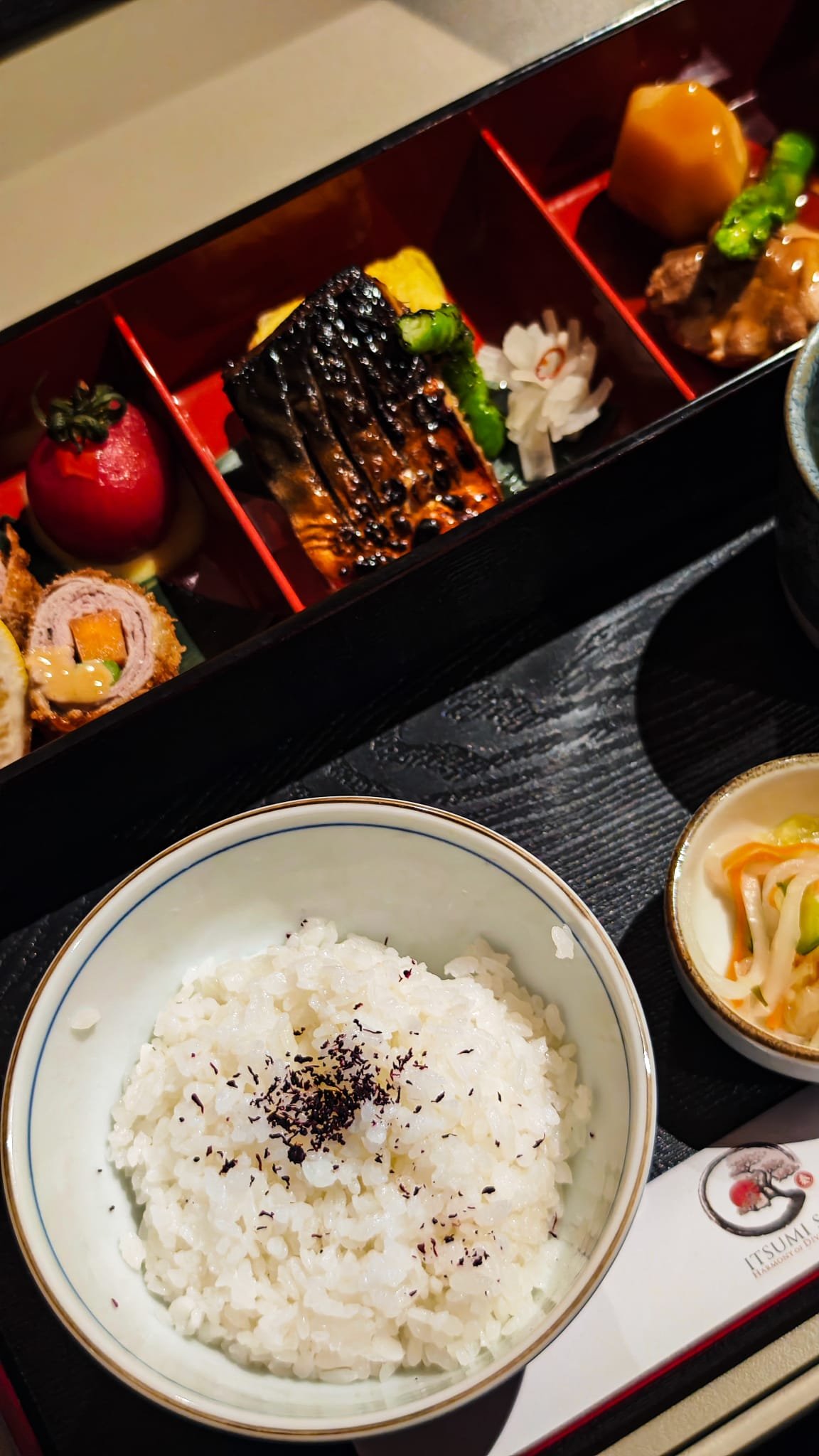
at Itsumi’s new restaurant in Etiler, where they began their meal with “Ichiju-Sansai”—a traditional Japanese
platter consisting of one soup, a bowl of rice,
and three side dishes made from different types of protein, along with pickles. Ichiju-sansai, one of the concepts that best
illustrates the healthy and balanced nature of Japanese cuisine, includes included grilled mackerel with mirin sauce, chicken and
vegetable stew, fried meat and vegetable rolls, steamed white rice (“gohan”), tofu, and
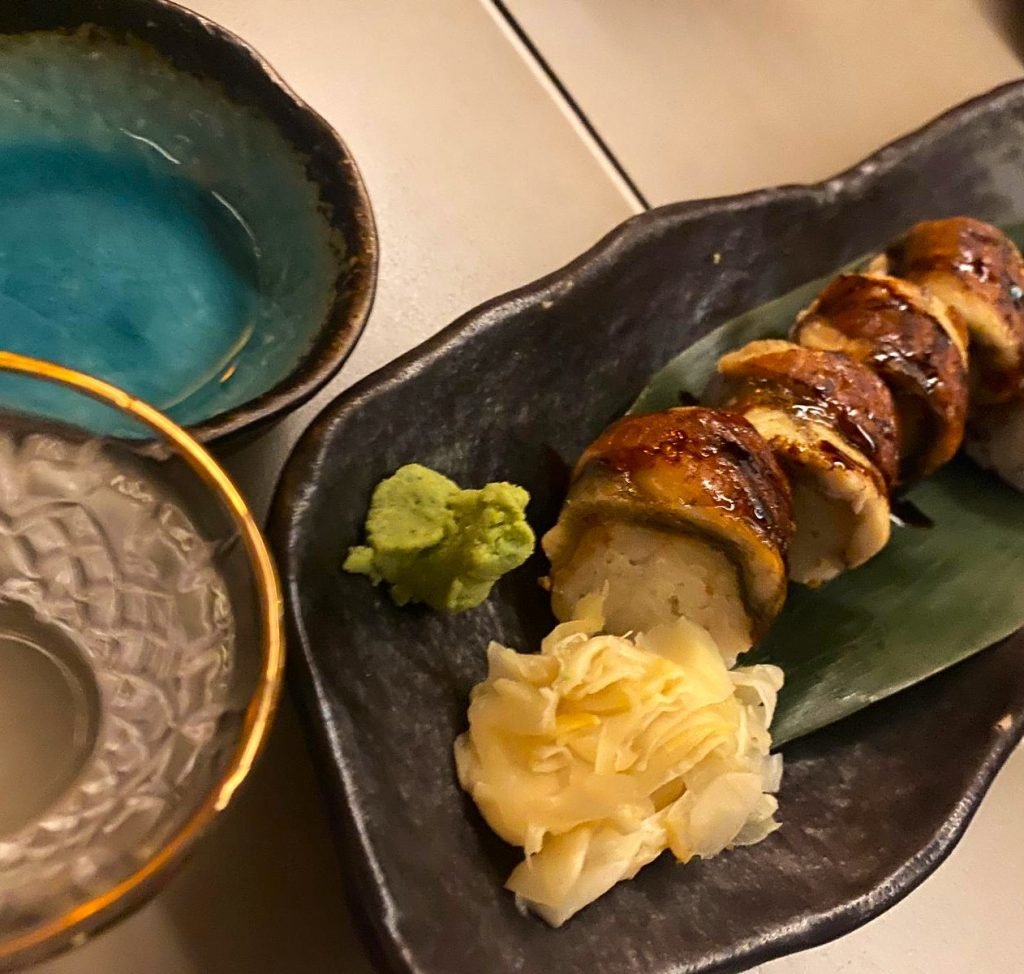
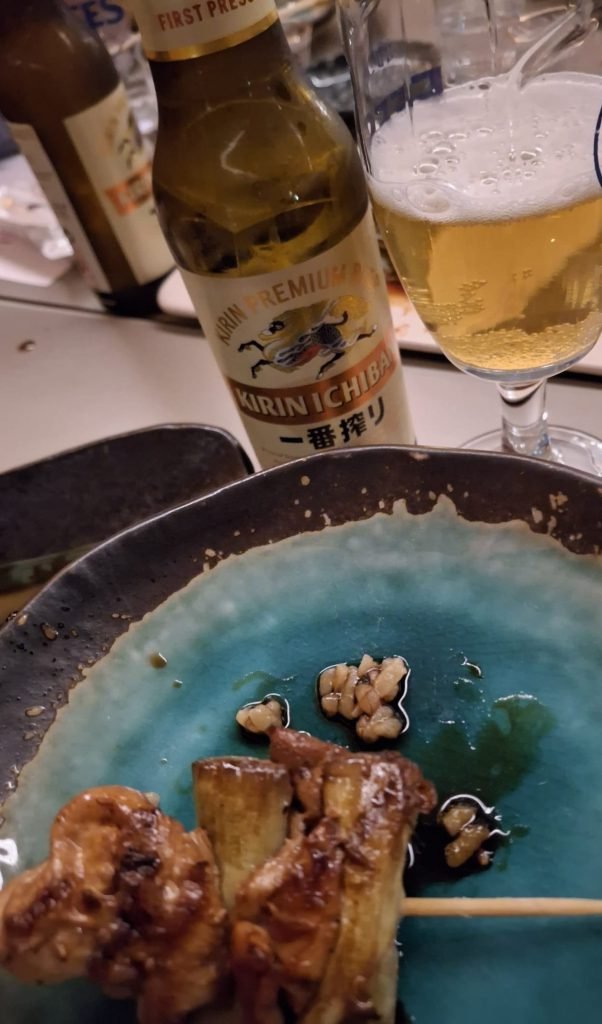
miso soup with seaweed. The eel sushi rolls, teriyaki
chicken skewers, and fried shrimp served afterward allowed us to experience the five basic cooking techniques of Japanese cuisine:
deep-frying (ageru), boiling (niru), slicing (kiru), grilling (yaku), and steaming
(musu).
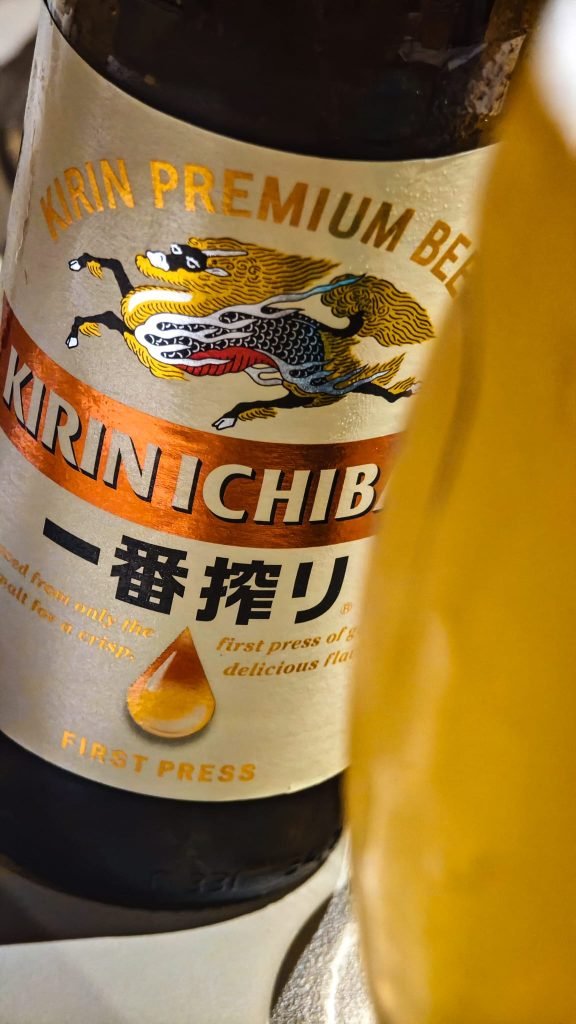
The meal was accompanied by the Japanese beer Ichiban Kirin, followed by sake, and then, at the end of the meal,
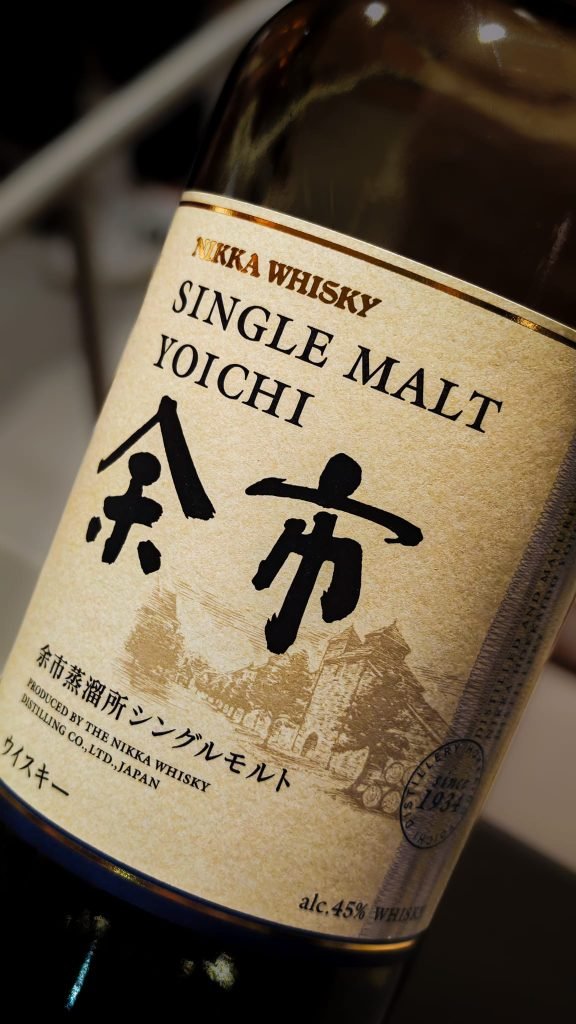
Nikka Yoichi Single Malt—a product of Hokkaido with notes of honey and beeswax that caressed the palate
Single Malt, which caresses the palate with notes of honey and beeswax from Hokkaido Island. But before that, the cold whole-wheat noodles that the Japanese traditionally enjoy as they ring in the New Year—
symbolizing health, abundance, a long life, and wishes for a wonderful year—were tasted,
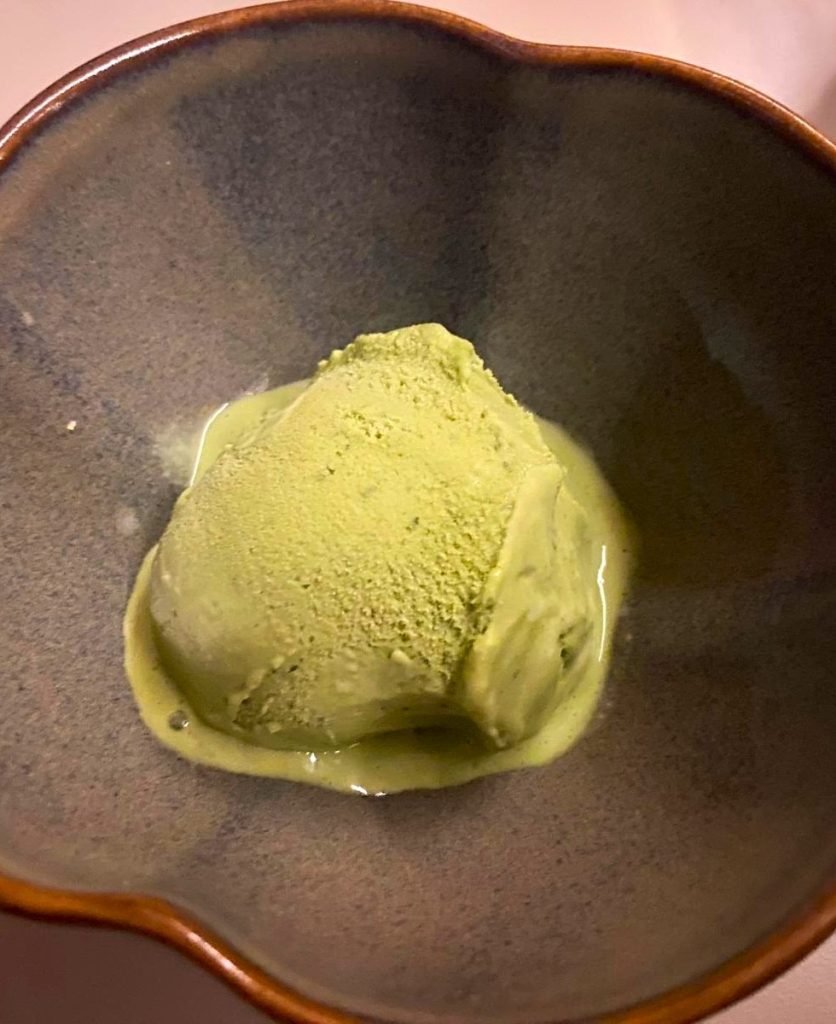
and New Year’s greetings were exchanged. The evening concluded with green tea ice cream and green tea,
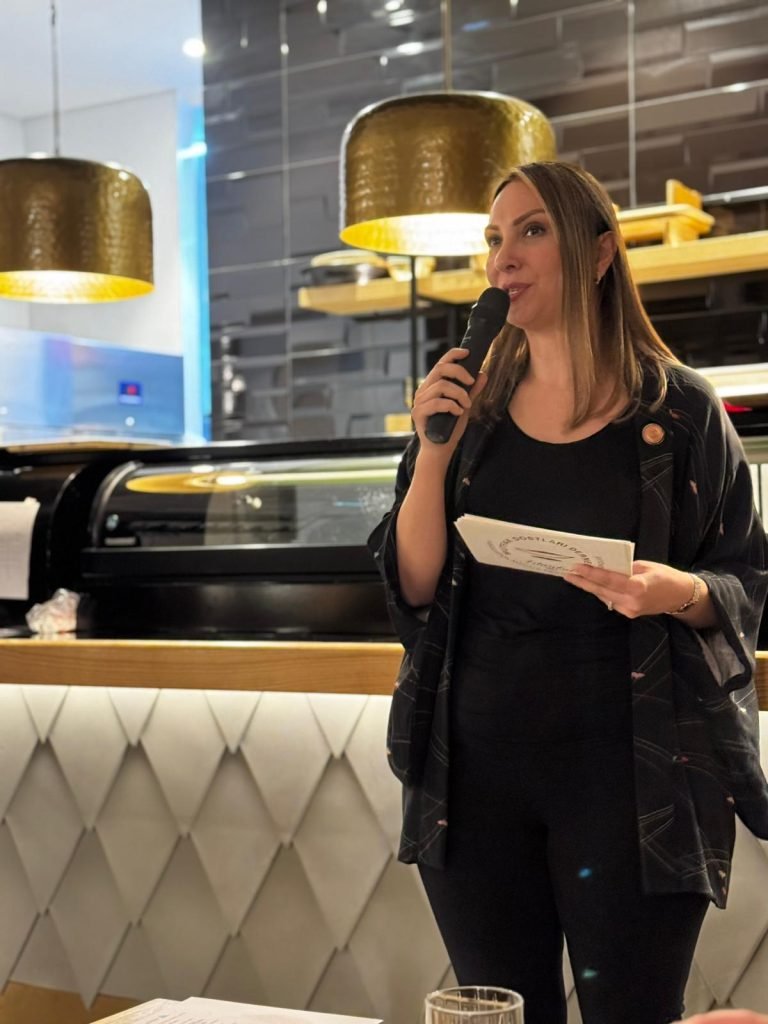
during which association member Tuğçe Güllü explained the Japanese philosophy of “Wa,”
along with its associated concepts of flavor and hospitality,
as well as “umami”—the fifth taste—which they have contributed to world culinary literature.
Following the meal, which featured one of the exemplary menus from this refined, delicious cuisine that
combines respect for ingredients with respect for nature and guests, and after expressing
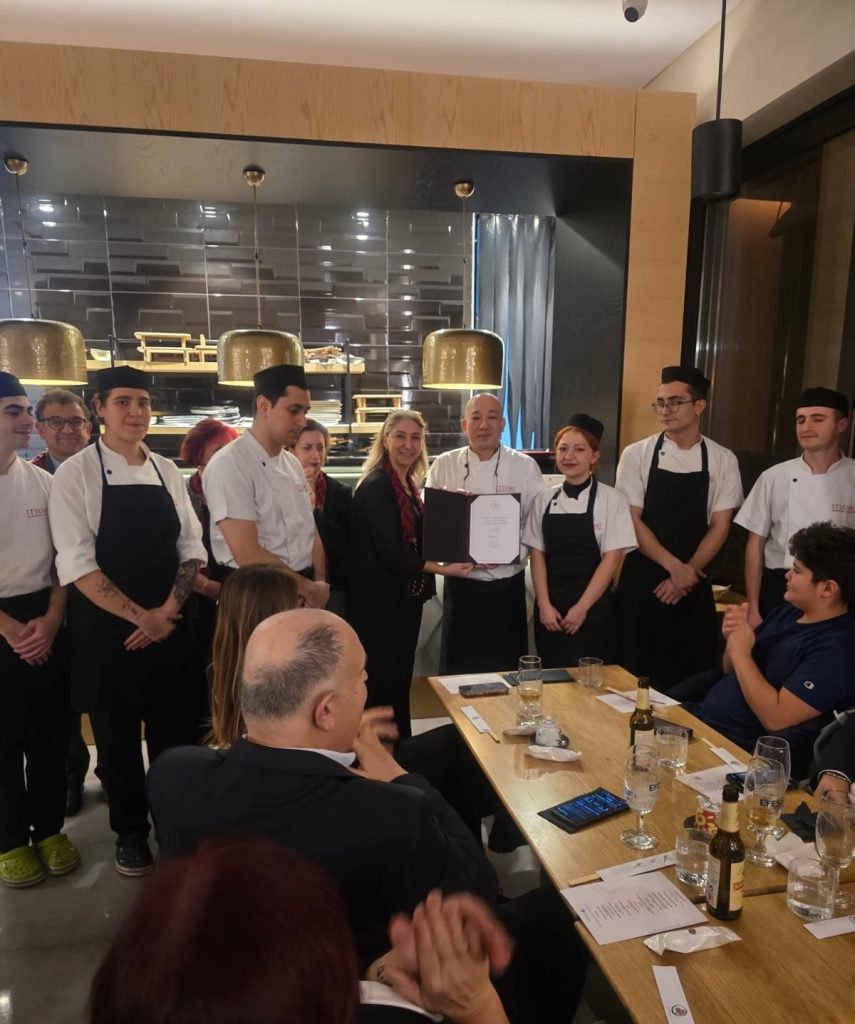
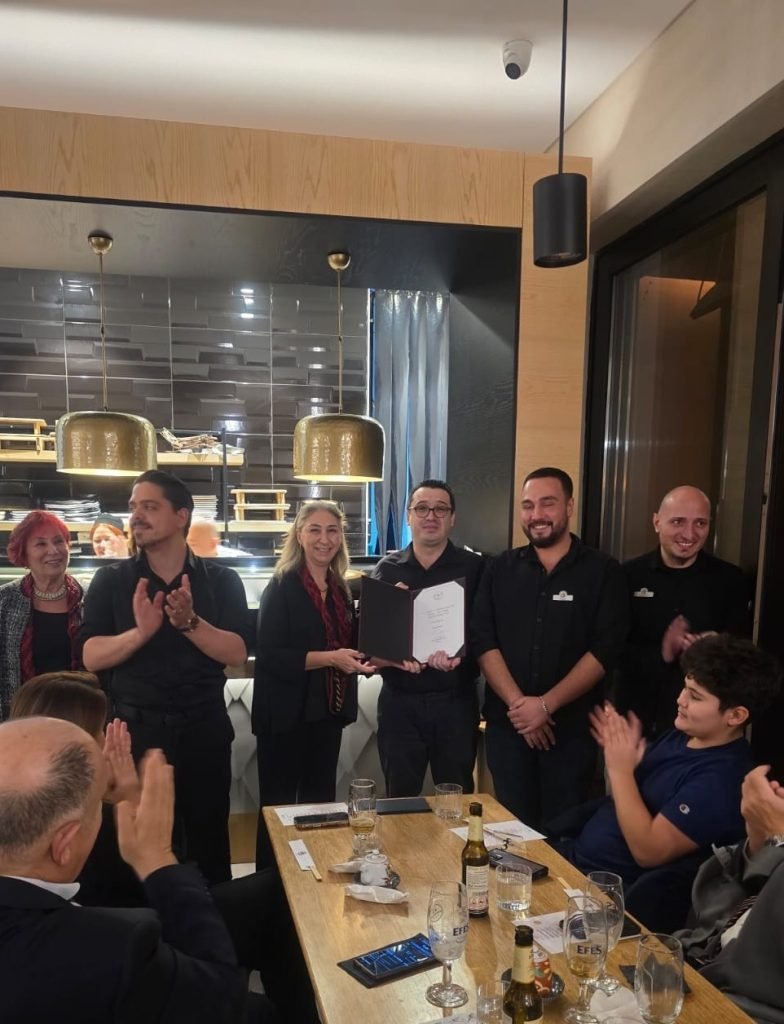
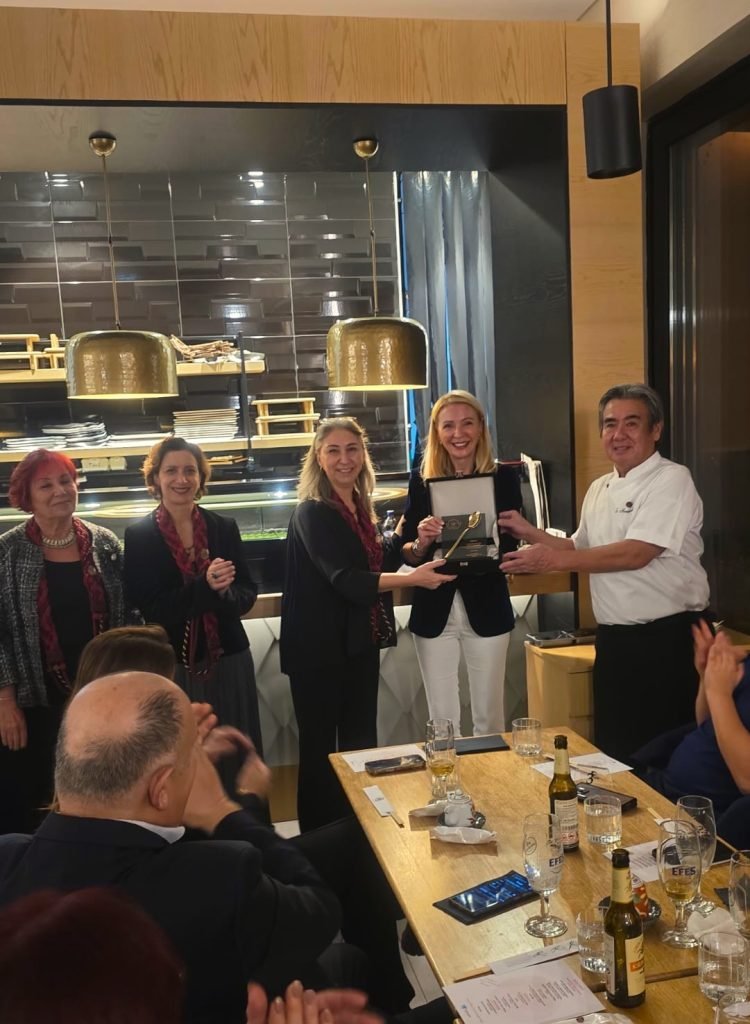
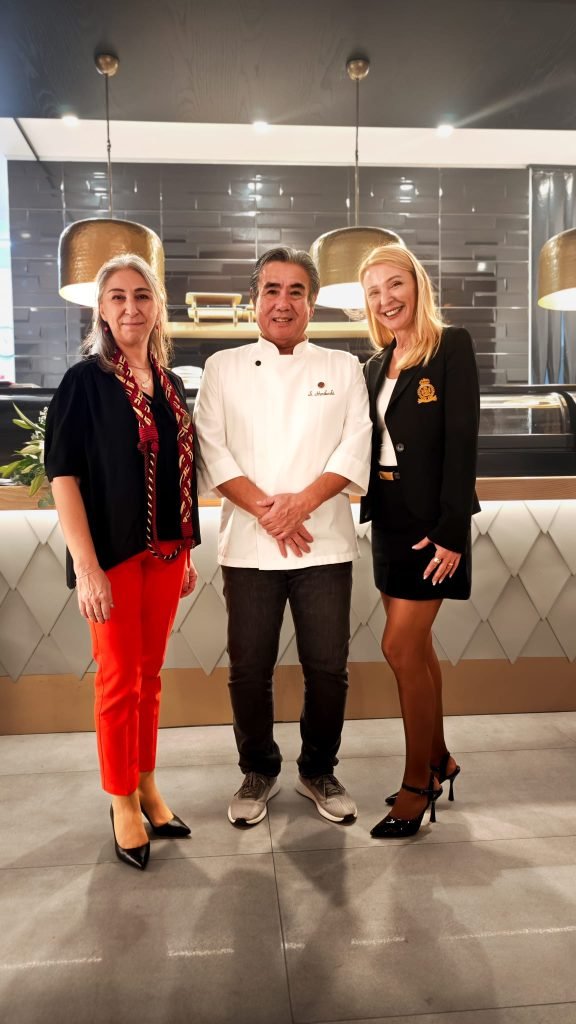
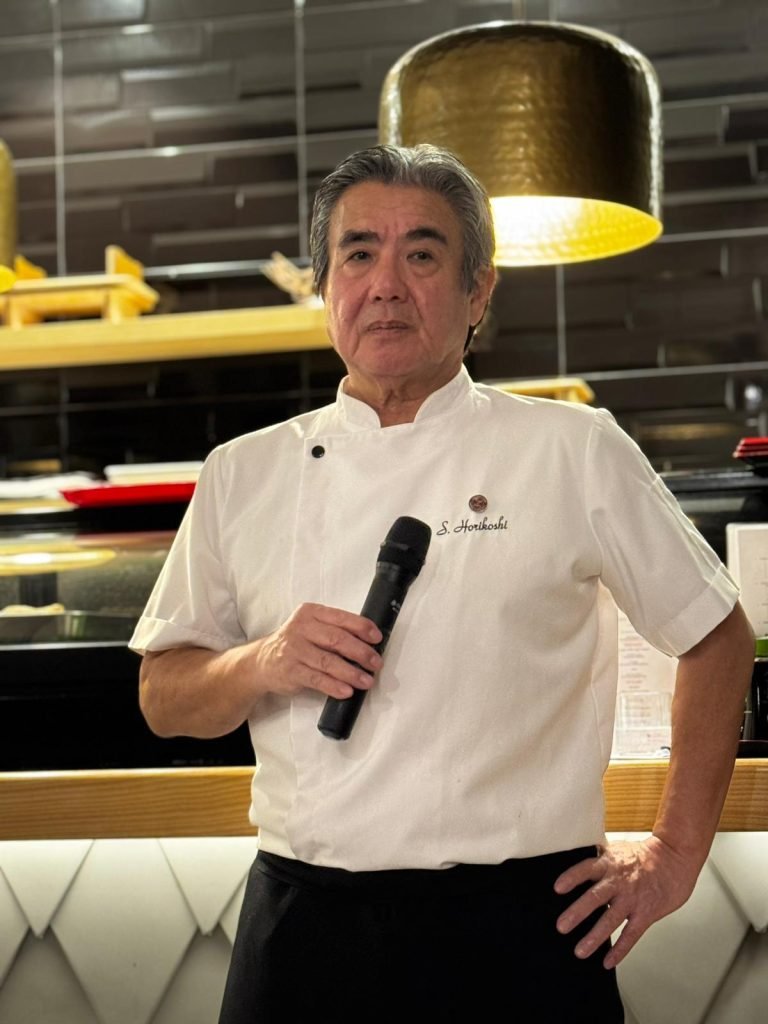
thanks to the head chef and service teams, the restaurant’s founders—executive chef Shunichi Horikoshi and Pınar
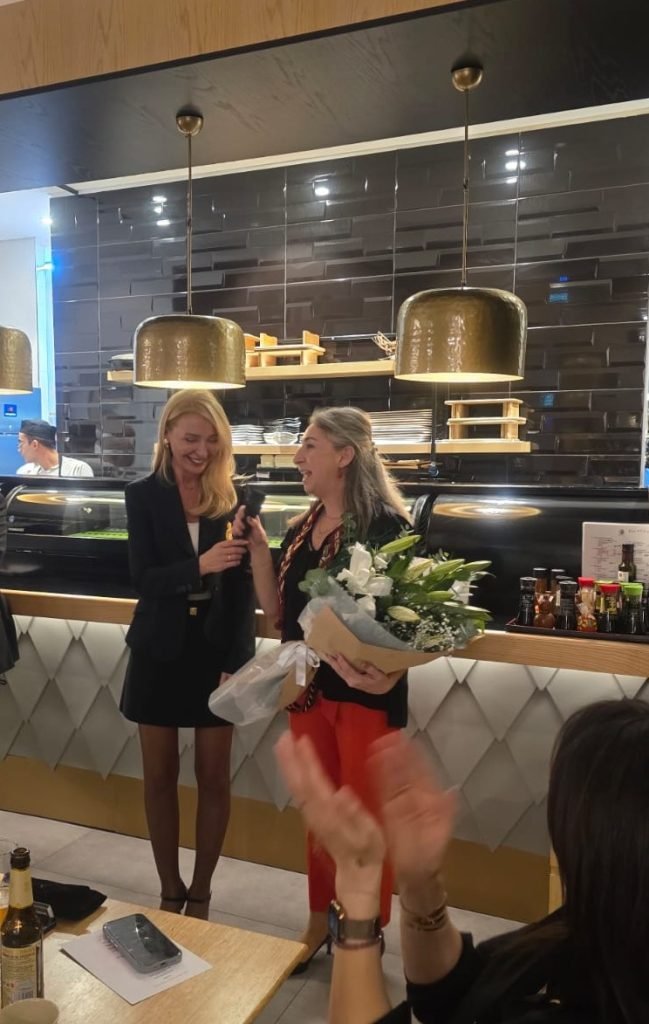
Açılan Horikoshi, were presented with plaques. The Itsumi So team also presented a bouquet of flowers to association president Esin
Sungur, thereby expressing their
delight at hosting the Friends of the Kitchen at their restaurant and showcasing the most elegant example of Japanese hospitality.
The Friends of the Kitchen concluded the evening with the hope of reuniting
under a new theme and a new menu featuring the rich and diverse elements
of Japanese cuisine across different seasons, periods, and regions…
EVENT ALBUM
Event Photos